DJ Venues in Los Angeles, CA
8 venues in Los Angeles, CA booking DJ.
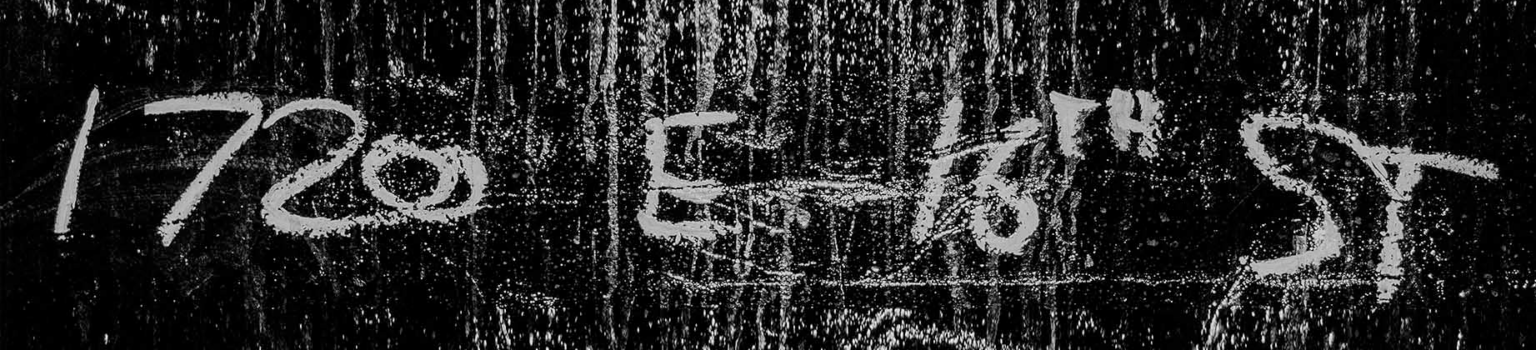
1720
1720 is a converted garment factory in the Warehouse District of Downtown Los Angeles, opened in 2017 by three musicians who were determined to build a venue from the inside of the music community rather than the outside. The result is one of the most versatile and production-serious mid-sized rooms in the city, capable of hosting everything from intimate underground electronic nights to national touring punk and metal acts. The raw industrial aesthetic, wood, steel, and concrete, sets the tone: this is a venue that takes music seriously without trying to look polished. Four bars, a kitchen, an outdoor smoker area with a rotating art wall, and a capacity of 700 give the room real flexibility. The programming is genuinely wide-ranging. Any given week might include an Afro-house DJ night, a punk bill, an indie rock headliner, and a drum and bass showcase. The quality of the production, sound and lighting, is consistently described as best-in-class for the price point and capacity. The location in the Fashion District is pre-gentrification in feel: grittier than Arts District, less tourist-facing than Hollywood. That raw quality is a feature rather than a drawback. For a music listener who wants to experience the pulse of Los Angeles underground and touring music culture in a setting that prioritizes the sound, 1720 is one of the essential rooms in the city.

5 Star Bar
5 Star Bar is a DTLA institution in the truest sense: a double-decker bar and live music venue on South Main Street that makes no concessions to trendiness, gentrification, or anything other than cold beer and loud music. The building is small, the stage is tiny, the pool table is there, and the music is live every single night. Reviewers consistently use the word 'house party' to describe the feel, which is precisely the right reference. Located in the Historic Core neighborhood of Downtown Los Angeles, within walking distance of the Arts District, the bar attracts a loyal cross-section of DTLA locals, artists, and the kind of music fan who prefers to be three feet from the stage rather than watching from a balcony. The bar offers beer and limited spirits, and the kitchen supplies burgers. The taco stand outside rounds out the food options. The approach is stripped down by design. Programming leans toward punk, metal, indie, and alternative, though the bar explicitly welcomes diversity of genre. The Moth's StorySLAMs have been hosted here, suggesting an openness to programming beyond the obvious rock identity. For a music listener who wants an unmediated, no-frills night of live music in one of the most historically interesting neighborhoods in Los Angeles, 5 Star Bar delivers.

Baby Battista
Baby Battista is a basement bar and intimate venue tucked beneath Nico's bottle shop on Glendale Boulevard in Atwater Village, accessible through the back of the wine shop and down a flight of stairs. The room is styled in a 1970s-inspired lounge aesthetic with ruby-hued lighting, vintage decor, and a natural wine program that has earned recognition from Eater, The Infatuation, and the LA Times. The bar opens at 5 PM daily and events happen primarily on Friday and Saturday nights, with occasional weeknight shows. The programming is eclectic and community-oriented: live jazz, indie music, comedy, storytelling shows, DJ nights, and dance parties all share the calendar. The capacity is small, making every show genuinely intimate, and the venue maintains an explicit commitment to ADA accessibility and inclusive programming. Tickets are available at the door until sold out, and a waitlist forms on the spot when shows sell out online. The bar is accessible to the public for drinks whether or not a show is happening, which means it functions as a neighborhood wine bar as much as a performance venue. For a music listener who wants to discover emerging and mid-level acts in one of the most atmospheric small rooms in Northeast Los Angeles, Baby Battista offers the rare combination of excellent natural wine and genuinely good programming.

El Cid Dinner Theater
Originally opened in 1962, El Cid has operated continuously on West Sunset Boulevard in Silver Lake, making it one of the oldest continuously running entertainment venues in Los Angeles. Its identity is anchored in flamenco, with a weekly Saturday night dinner show that pairs authentic Spanish cuisine with the fire and precision of traditional flamenco dance. But the room's calendar extends well beyond its anchor programming. The outdoor courtyards and interior stage host concerts, DJ nights, burlesque shows, parties, and a rotating cast of eclectic live acts that reflect Silver Lake's artistic character. The setting is genuinely unlike anything else in the city. The space is divided across multiple patios and a split-level interior that descends into the venue from street level, giving every area a sense of discovery. The atmosphere is unpretentious and warm, with dim lighting, exposed Spanish tile, and a full bar offering cocktails alongside the tapas menu. A visit here rarely feels like just another night out; it tends to feel more like stumbling into a hidden Los Angeles that most tourists never find. The venue draws a diverse crowd, from neighborhood regulars and Eastside artists to date-night couples and curious visitors, and the music programming spans indie rock, jazz, electronic, and various world music styles depending on the night. El Cid is managed by the team at Chivalry LA, a local hospitality and events company that has brought renewed energy to the space.

First Street Pool & Billiard Parlor
First Street Pool & Billiard Parlor is one of the more honestly conceived live music venues in Los Angeles: a full-on pool hall and a concert stage sharing the same floor at 1906 E 1st Street in Boyle Heights, with cheap beer, open turntables on Wednesday nights, and a crowd that tends toward the rowdy and the real. Eight pool tables occupy one half of the space while the other half is arranged as a proper stage room with a pit for the crowd. The venue has built a strong reputation particularly in the punk and hardcore underground, hosting acts like Naked Aggression, Verbal Abuse, Dropdead, and Infest alongside local bands that represent the broader street punk and hardcore communities of East and Central LA. The atmosphere is aggressively unpretentious. Happy hour runs most days from open through close. Pool tables rent by the hour. The bar stocks twelve beers on tap and pours without ceremony. For a certain kind of music fan and musician, this is exactly the kind of room that keeps a scene alive: no-frills booking, no velvet rope, no pretense, and bands that play loud enough to feel it from the pool table. Open mic and DJ nights fill in the calendar around punk and metal shows, and the crowd tends to include off-duty mariachi players, Eastside regulars, and visiting touring bands who find the vibe immediately familiar. First Street runs Thursday through Monday starting at 3pm and stays open late on weekends. For anyone who wants to catch underground punk, hardcore, or metal in a room that still feels like 1985 in all the right ways, this is one of the most reliable spots remaining in Los Angeles for exactly that experience.

Gold-Diggers
Gold-Diggers is a boutique hotel, bar, recording studio, and live music room at 5632 Santa Monica Blvd in East Hollywood, occupying a building with an improbable and genuinely cinematic past: the original Gold Diggers was a bikini bar, and the neon sign advertising that history still hangs above the entrance. The current version, opened in the late 2010s by the Prismatics group, preserved the building's bones and its reputation for a certain kind of sleaze while adding a world-class recording studio, a 12-room boutique hotel, and a bar and performance space that has become one of the most celebrated intimate music rooms in Los Angeles. The bar is open seven nights a week from 7pm to 2am, 21 and over, with live music or DJ sets every night. The capacity is 175, which means every show is genuinely intimate: the stage is close, the sightlines are excellent, and the all-vinyl happy hour sets the tone before the headliner goes on. The programming is handled by music heads for music heads, as the venue's own language puts it, and the calendar reflects that sensibility: indie bands catching industry attention, jazz nights, electronic producers, album release parties, listening sessions, and all-vinyl DJ sets that keep the dance floor moving past midnight. Artists from around the country and internationally play Gold-Diggers on tour because the room and the audience are consistently dialed in. Tripadvisor ranks Gold-Diggers in the top 10% of hotels worldwide. Tablet Hotels has listed it among the 25 coolest hotels in the world. The venue has won INDIE Congress Awards for Best Hotel Bar. None of that has made it precious or inaccessible: it is still the kind of room where you can walk in, order a drink, and hear someone extraordinary for the first time on any given night.

Hello Stranger
Hello Stranger is a bar, restaurant, and live music venue at 320 E. 2nd Street in Los Angeles's Little Tokyo neighborhood, founded and operated by Angela Romero, a Long Beach-born producer and event curator whose personal history with lowrider culture, Eastside oldies, and Los Angeles soul music is embedded in every detail of the space. The aesthetic pays direct homage to the Latino lowrider community of Los Angeles, but the room is built around a philosophy of radical welcome: Hello Stranger describes itself as Black Love, Brown Pride, and Japaneros all in one, and the crowd reflects that ambition every night the venue is open. Live music programming focuses on soul, R&B, oldies, and dance-oriented performers who can move a room, with DJs and live acts rotating through a schedule that runs primarily on Friday and Saturday nights. The cocktail program is built around music-inspired drinks with a sweetness and craft that matches the overall sensibility of the venue. Romero has described the goal as recreating the feeling of a Sunday afternoon listening to oldies with your crew: intimate, communal, dance-floor-forward. The venue also produces the Oishi Barrio pop-up event at the JACCC Plaza (244 San Pedro St, Little Tokyo) on rotating Sundays, a free outdoor food and music event that extends the Hello Stranger community into the neighborhood's public spaces. For Angelenos who grew up with the oldies and soul tradition of East LA and the broader city, Hello Stranger is one of very few venues that holds that tradition with the seriousness and joy it deserves. It is small enough to feel personal, ambitious enough to draw artists from across the soul and R&B spectrum, and rooted enough in its community to feel like a neighborhood institution.

Silverlake Lounge
Few bars in Los Angeles carry a history as layered as the Silverlake Lounge. Operating in some form since 1938 and settled into its current identity around 1975, this corner spot on Sunset Boulevard has been many things over the decades: a drag and gay cabaret stage, a safe harbor for the Eastside's Latinx queer community, and eventually the incubator for some of the most important indie rock of the early 2000s. Black Rebel Motorcycle Club played here regularly before being signed. Rilo Kiley, The Silversun Pickups, and The Airborne Toxic Event all have early chapters written in this room. The vibe is unapologetically dive, in the best sense. Dim lighting, a compact stage backed by red velvet, a friendly bar with fair prices, and sightlines that feel personal from almost anywhere in the room. At just over 150 capacity, it is the kind of place where you can be three feet from a band you are about to love. The intimacy is not manufactured; it is the natural product of a room that never had pretension as an option. Today the Silverlake Lounge continues to champion independent, emerging, and community-rooted artists. The calendar mixes indie rock, punk, shoegaze, singer-songwriters, urban acts, folk and country sets, drag cabaret, comedy, and DJ nights. It is explicitly an LGBTQ-plus safe space and destination, and the venue is vocal about its commitment to BIPOC and non-English-speaking artists. In a neighborhood increasingly shaped by commercial development, the Silverlake Lounge remains one of the last independently operated live music rooms on the Eastside that still books on its own terms.