Live Music Venues in Los Angeles, CA
26 venues in Los Angeles, CA. Booking contacts, capacity, and genres — pitch directly through getNgigs.
Browse by genre in Los Angeles
1720
1720 is a converted garment factory in the Warehouse District of Downtown Los Angeles, opened in 2017 by three musicians who were determined to build a venue from the inside of the music community rather than the outside. The result is one of the most versatile and production-serious mid-sized rooms in the city, capable of hosting everything from intimate underground electronic nights to national touring punk and metal acts. The raw industrial aesthetic, wood, steel, and concrete, sets the tone: this is a venue that takes music seriously without trying to look polished. Four bars, a kitchen, an outdoor smoker area with a rotating art wall, and a capacity of 700 give the room real flexibility. The programming is genuinely wide-ranging. Any given week might include an Afro-house DJ night, a punk bill, an indie rock headliner, and a drum and bass showcase. The quality of the production, sound and lighting, is consistently described as best-in-class for the price point and capacity. The location in the Fashion District is pre-gentrification in feel: grittier than Arts District, less tourist-facing than Hollywood. That raw quality is a feature rather than a drawback. For a music listener who wants to experience the pulse of Los Angeles underground and touring music culture in a setting that prioritizes the sound, 1720 is one of the essential rooms in the city.

2220 Arts + Archives
2220 Arts + Archives operates on the ground floor of a former church at 2220 Beverly Boulevard in Historic Filipinotown, adjacent to Echo Park and Downtown LA. It is a volunteer-run, cooperatively programmed cultural center that is one of the most genuinely interesting venues in Los Angeles. The building houses multiple rooms and stages as well as a working archive of audio and video recordings, books, and ephemera documenting experimental music, film, and art communities from Los Angeles and abroad. The venue was formerly home to Bootleg Theater and currently hosts roughly a dozen longstanding LA-based arts nonprofits and independent programmers including LA Filmforum, Black Editions, Mythscience, Pehrspace, the Poetic Research Bureau, and Wild Up. These groups curate the majority of the calendar, each hosting one to two events per month. The result is a programming slate that spans creative and improvised music, avant-garde performance, interdisciplinary film, poetry, talks, and hybrid events that resist easy categorization. Ticket prices are deliberately kept accessible, typically between ten and thirty dollars, and many events are free. The crowd on any given night is as eclectic as the programming: musicians, artists, academics, and curious listeners who have already exhausted the conventional calendar. 2220 is not interested in filling every date on the calendar or competing with entertainment venues in a traditional sense. What it is interested in is building a community around adventurous and non-commercial work, and it has built a strong one. Age restrictions apply when the bar lounge is operating; all-ages events are common when the lounge is closed.

5 Star Bar
5 Star Bar is a DTLA institution in the truest sense: a double-decker bar and live music venue on South Main Street that makes no concessions to trendiness, gentrification, or anything other than cold beer and loud music. The building is small, the stage is tiny, the pool table is there, and the music is live every single night. Reviewers consistently use the word 'house party' to describe the feel, which is precisely the right reference. Located in the Historic Core neighborhood of Downtown Los Angeles, within walking distance of the Arts District, the bar attracts a loyal cross-section of DTLA locals, artists, and the kind of music fan who prefers to be three feet from the stage rather than watching from a balcony. The bar offers beer and limited spirits, and the kitchen supplies burgers. The taco stand outside rounds out the food options. The approach is stripped down by design. Programming leans toward punk, metal, indie, and alternative, though the bar explicitly welcomes diversity of genre. The Moth's StorySLAMs have been hosted here, suggesting an openness to programming beyond the obvious rock identity. For a music listener who wants an unmediated, no-frills night of live music in one of the most historically interesting neighborhoods in Los Angeles, 5 Star Bar delivers.

Baby Battista
Baby Battista is a basement bar and intimate venue tucked beneath Nico's bottle shop on Glendale Boulevard in Atwater Village, accessible through the back of the wine shop and down a flight of stairs. The room is styled in a 1970s-inspired lounge aesthetic with ruby-hued lighting, vintage decor, and a natural wine program that has earned recognition from Eater, The Infatuation, and the LA Times. The bar opens at 5 PM daily and events happen primarily on Friday and Saturday nights, with occasional weeknight shows. The programming is eclectic and community-oriented: live jazz, indie music, comedy, storytelling shows, DJ nights, and dance parties all share the calendar. The capacity is small, making every show genuinely intimate, and the venue maintains an explicit commitment to ADA accessibility and inclusive programming. Tickets are available at the door until sold out, and a waitlist forms on the spot when shows sell out online. The bar is accessible to the public for drinks whether or not a show is happening, which means it functions as a neighborhood wine bar as much as a performance venue. For a music listener who wants to discover emerging and mid-level acts in one of the most atmospheric small rooms in Northeast Los Angeles, Baby Battista offers the rare combination of excellent natural wine and genuinely good programming.

Black Rabbit Rose
Black Rabbit Rose is one of Hollywood's most distinctive nights out, a speakeasy-style cocktail bar and intimate theater on Hudson Avenue that blends upscale Pan-Asian dining with close-up magic and live entertainment. The Houston Brothers, who have a knack for creating spaces that feel like hidden worlds, have made Black Rabbit Rose a destination that rewards arriving curious and leaving amazed. The decor is lush and atmospheric, all deep reds and theatrical lighting, and the two-room layout means you can have dinner in the bar area or make a night of it with a ticketed magic show in the intimate theater. The magic shows, running Thursday through Saturday at 8 PM and 9:30 PM, are performed by skilled close-up artists and run about 45 minutes, long enough to leave an impression and short enough to keep the mystery intact. The food menu leans into Thai-Chinese flavors from the neighboring Crying Tiger kitchen, with dishes like jade noodles with roast duck, crispy rice salad, and egg rolls made from the Houston family recipe. Craft cocktails are given the same level of care as the entertainment, with magic-themed drinks that are as visually interesting as the shows they accompany. The venue is 21 and over, has a strong preference for upscale attire, and does not take reservations for the dining room, which operates on a walk-in basis. Tickets for the theater shows are available through the website in advance, and groups are encouraged to purchase together to ensure seated side by side. The overall identity is one of the most original in Los Angeles: glamorous, playful, and genuinely surprising.

Blue Note Los Angeles
Blue Note Los Angeles is the West Coast outpost of one of the most celebrated jazz club brands in the world, and it brings the same intentional, artist-led programming philosophy that has defined the New York original to a beautifully designed room on Sunset Boulevard in Hollywood. The space was designed by Legeard Studio and blends mid-century elegance with a modern sensibility, all warm wood, low lighting, and sight lines engineered so that there is no bad seat in the house. Two shows a night, seven nights a week, at 7 PM and 9:30 PM. The programming goes well beyond traditional jazz, encompassing soul, R&B, hip-hop, gospel, and genre-defying collaborations, but the through-line is always craft and artistic voice. Acts that have come through include Esperanza Spalding, Kamasi Washington, Wyclef Jean, Sheila E, and Charlie Puth, giving you a sense of the range on offer. The sound system is excellent, the intimacy of the 200-person main room means that even the back row feels close, and a secondary B-Side room with a 100-person capacity hosts additional programming. The kitchen, helmed with a focus on globally inspired flavors, serves dinner nightly, and the cocktail program takes its cues from jazz-era classics. Table seating is all-ages; bar area seating is 21 and over. If you are looking for a concert experience in Los Angeles that prioritizes music, craft, and atmosphere over scale and spectacle, Blue Note LA is among the finest rooms in the city.
Canter's Kibitz Room
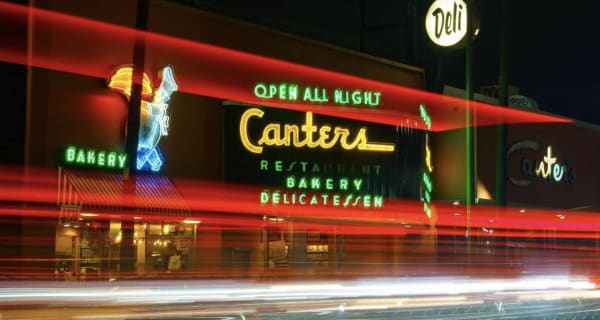
Canter's Kibitz Room is the hidden room inside one of Los Angeles' most legendary delis, a 1961 addition tucked off to the side of Canter's Deli on Fairfax Avenue that has been a refuge for musicians, night owls, and industry people for decades. The room is a genuine dive: dim lighting, a long bar, a small elevated stage angled awkwardly to the room, and the comforting knowledge that the full Canter's deli menu is available at almost any hour of the night. The history here is dense. In the 1960s, The Doors, The Byrds, Frank Zappa, and Arthur Lee were regulars at Canter's. By the 1990s, spontaneous jam sessions became a Tuesday night tradition, drawing members of Guns N' Roses, the Red Hot Chili Peppers, and Joni Mitchell. That spirit has never entirely left, and the Kibitz Room remains one of the few LA venues where a genuinely unpredictable night is still possible. Live music runs up to seven nights a week, with Fridays, Saturdays, and Sundays being the most active. Midnight tends to be when the room shifts toward open jams. The vibe is strongly rock and roll with punk and indie flavors, and the drinks are strong. Going through the bright deli to get to the dark bar is part of the experience.

Catch One
Catch One is one of Los Angeles's most historically significant nightlife destinations, a multi-room venue on West Pico Boulevard in Mid-City whose roots stretch back to 1973 when it opened as Jewel's Catch One, the first Black-owned gay disco in the United States. Founded by Jewel Thais-Williams, the club became a cultural sanctuary for the Black LGBTQ+ community through decades of challenge, including the AIDS epidemic, racism, and an arson attack. Its legacy of resilience and radical inclusion is woven into the physical space, making any night here more than just a night out. Today Catch One operates as a multi-purpose entertainment complex with five distinct rooms spanning up to 2,000-person capacity across the full venue. The rooms range from the iconic Jewel's Room and the Underground, both with capacity near 275 to 450 each, to the intimate Noise and Tavern and Circle Bar configurations. The production values are serious: Funktion-1 and EAW sound systems, intelligent lighting, projectors, multiple bars, outdoor smoking patios, and a full kitchen. Programming spans EDM, hip-hop, house, dance parties, live rock showcases, queer events, and themed nights, reflecting the eclectic musical palate the venue has always championed. The venue is open Thursday through Saturday evenings. Age requirements vary by event, so checking the event page before arrival is essential. Dress code is casual to dressy casual, and stylish attire is encouraged. For anyone who cares about the history of American nightlife and wants to celebrate in a space that fought hard to exist, Catch One is essential.

Center for the Arts Eagle Rock
The Center for the Arts Eagle Rock occupies a 1914 Carnegie Library building in the heart of Eagle Rock, a neighborhood of Northeast Los Angeles. The Mediterranean Revival architecture is striking, and the interior space, while not large, has the distinctive warmth of a historic public building repurposed for community arts use. The venue holds 125 guests seated and 225 standing, making it appropriate for intimate concerts, acoustic performances, and cultural programming rather than high-energy rock shows. The Center is a nonprofit organization founded in 1998, and it operates with an explicit commitment to multicultural programming and community access. It produces the Eagle Rock Music Festival, which is the largest free music festival in Los Angeles. Gallery exhibitions, workshops, artist residencies, and educational programming fill the rest of the calendar. The room is available for concerts primarily on weekends, as the organization uses the building for office and educational purposes Monday through Friday. For a listener who wants to hear music in a genuinely civic and historically resonant space, with a mission behind it rather than a profit motive, the Center for the Arts Eagle Rock offers a rare and valuable environment in the otherwise commercially dominated Los Angeles performing arts scene.

Desert 5 Spot
Desert 5 Spot is a rooftop bar perched atop the Tommie Hollywood hotel on Selma Avenue, and it has become one of the most evocative country-adjacent nightlife destinations in Los Angeles. Named for the Mojave Desert flower and inspired by the faded glamour of 1970s Palm Springs, Pioneertown, and Joshua Tree roadside culture, the space channels Cosmic Americana with conviction: string lights, vintage jukebox aesthetics, frozen margaritas, cold canned beer, and a live house band called The Desert 5 that plays Tuesday through Sunday. The rooftop views stretch across Hollywood in every direction, and the cowboy dress code means the crowd that shows up is actually committed to the vibe. Tuesday nights are reserved for singer-songwriters, giving emerging acoustic artists a dedicated slot in a room that does not typically feel like a listening venue. The rest of the week leans into country and honky-tonk energy, with weekend DJ sets and jukeboxes filling the space between live sets. The Outlaw Tacos and frozen margarita program have built a loyal food and drink following that extends well beyond music fans. The venue enforces a dress code: no athletic shorts, athletic tops, sweatpants, or flip-flops. Come in boots if you have them. The result is a crowd that puts in the effort, which gives the whole operation a social confidence that most rooftop bars in Hollywood entirely lack.

EB's Farmers Market Bar
EB's Beer and Wine Bar sits on the west patio of the Original Farmers Market at 3rd and Fairfax in Los Angeles, one of the city's most beloved public gathering spaces since 1934, and it has managed to become a genuinely special live music destination in a setting that most people think of primarily as a place to get a crepe or a slice of pizza. The patio setup means that musicians perform to a built-in audience of market-goers, tourists, local families, and regulars who may not have specifically planned to catch a live show, creating the kind of spontaneous shared experience that feels increasingly rare in a city of curated nightlife. Live music happens on Thursday evenings for the Jazz Series, and Friday and Saturday nights from around 7 to 9 PM. The Saturday night Ranch Party country showcase has become a particularly beloved institution, presenting local and touring Indie Country and Americana artists to a crowd that returns specifically for it week after week. The setup includes a full stage, professional lighting, a sound system, and a live sound engineer, which is more production infrastructure than you would expect from a beer and wine bar in a food court. With over 30 draft and bottled beers and a selection of wines, the bar serves as the social hub of the west patio while musicians play directly in front of the seated crowd. Admission to the market is free, cover charges for music nights are modest or nonexistent, and the all-ages environment means all of Los Angeles can show up. It is an improbable and wonderful thing.
Echoplex
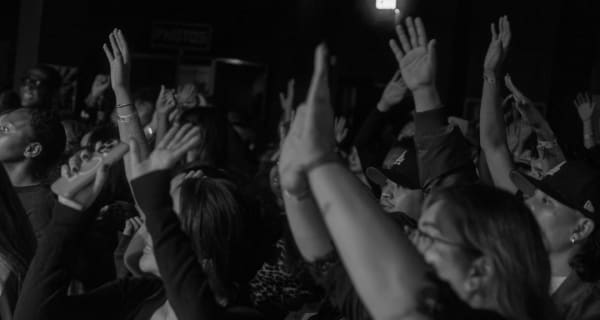
The Echoplex is the underground sibling of The Echo, accessed through an alley entrance at 1154 Glendale Boulevard in Echo Park, just below the main venue above it. Together the two spaces hold more than 1,200 people. The Echoplex alone runs around 660, making it a room that feels genuinely mid-size without losing the energy of a smaller venue. The low stage, wraparound sightlines, and punchy sound system put you close to the action from virtually anywhere on the floor. The venue opened in 2006 and established its identity quickly through adventurous, genre-spanning programming that has never settled into a single lane. The long-running Funky Sole residency, which ran for 14 years, became a touchstone for BIPOC DJs in the LA electronic scene. Dub Club, another long-running residency, built a devoted following around dub and reggae. On the live band side, the Echoplex has hosted Skrillex, LCD Soundsystem, HAIM, Kendrick Lamar, Run the Jewels, Built to Spill, Warpaint, HEALTH, and Four Tet, among countless others. The Rolling Stones played a surprise intimate show here during tour prep, an event that Rolling Stone covered as a landmark moment for the venue. Age restrictions vary by event and are posted per event listing. The venue is a Goldenvoice/Live Nation affiliate, which means booking flows through industry channels rather than open submission. For listeners, it is one of the most consistently exciting rooms in LA, particularly for electronic, indie rock, punk, and hip-hop acts that need a room big enough to deliver but intimate enough to deliver something memorable.

El Cid Dinner Theater
Originally opened in 1962, El Cid has operated continuously on West Sunset Boulevard in Silver Lake, making it one of the oldest continuously running entertainment venues in Los Angeles. Its identity is anchored in flamenco, with a weekly Saturday night dinner show that pairs authentic Spanish cuisine with the fire and precision of traditional flamenco dance. But the room's calendar extends well beyond its anchor programming. The outdoor courtyards and interior stage host concerts, DJ nights, burlesque shows, parties, and a rotating cast of eclectic live acts that reflect Silver Lake's artistic character. The setting is genuinely unlike anything else in the city. The space is divided across multiple patios and a split-level interior that descends into the venue from street level, giving every area a sense of discovery. The atmosphere is unpretentious and warm, with dim lighting, exposed Spanish tile, and a full bar offering cocktails alongside the tapas menu. A visit here rarely feels like just another night out; it tends to feel more like stumbling into a hidden Los Angeles that most tourists never find. The venue draws a diverse crowd, from neighborhood regulars and Eastside artists to date-night couples and curious visitors, and the music programming spans indie rock, jazz, electronic, and various world music styles depending on the night. El Cid is managed by the team at Chivalry LA, a local hospitality and events company that has brought renewed energy to the space.

El Rey Theatre
The El Rey Theatre is one of the most beloved rooms in Los Angeles, a 771-capacity general admission venue in the Miracle Mile district on Wilshire Boulevard that has been a live music destination since 1994. Built in 1936 as a single-screen movie palace and designated a Los Angeles Historic-Cultural Monument, the El Rey's interior is a study in preserved Art Deco grandeur: deep red walls draped in velvet curtains, three sweeping chandeliers with custom LED pin-spot lighting, a grand ballroom floor surrounded by elevated side areas for premium viewing, and a VIP balcony lounge at the rear with private booths. It is the kind of room that makes you feel like the concert matters before a note has been played. The venue is exclusively programmed by Goldenvoice, the Coachella and Stagecoach promoter, which means the booking is handled at a national level and the programming reflects a curated, wide-ranging slate of rock, alternative, indie, hip-hop, pop, and emerging artists. General admission standing room is the default format, keeping the energy close and immediate in a room that is intimate by almost any standard but large enough to feel like a genuine concert. The stage, sound system, and lighting have all been updated while preserving the building's historic bones. All-ages admission is the norm unless a specific show is otherwise noted, though drinking at the bar is 21 and over with valid ID. There is self-parking available nearby at 5455 Wilshire Blvd for cash, and Metro Line 20 stops directly at the venue's cross street. For anyone tracking the live music calendar in Los Angeles, the El Rey is consistently one of the most reliable rooms for discovery-level artists who will be playing much larger stages within a year.

First Street Pool & Billiard Parlor
First Street Pool & Billiard Parlor is one of the more honestly conceived live music venues in Los Angeles: a full-on pool hall and a concert stage sharing the same floor at 1906 E 1st Street in Boyle Heights, with cheap beer, open turntables on Wednesday nights, and a crowd that tends toward the rowdy and the real. Eight pool tables occupy one half of the space while the other half is arranged as a proper stage room with a pit for the crowd. The venue has built a strong reputation particularly in the punk and hardcore underground, hosting acts like Naked Aggression, Verbal Abuse, Dropdead, and Infest alongside local bands that represent the broader street punk and hardcore communities of East and Central LA. The atmosphere is aggressively unpretentious. Happy hour runs most days from open through close. Pool tables rent by the hour. The bar stocks twelve beers on tap and pours without ceremony. For a certain kind of music fan and musician, this is exactly the kind of room that keeps a scene alive: no-frills booking, no velvet rope, no pretense, and bands that play loud enough to feel it from the pool table. Open mic and DJ nights fill in the calendar around punk and metal shows, and the crowd tends to include off-duty mariachi players, Eastside regulars, and visiting touring bands who find the vibe immediately familiar. First Street runs Thursday through Monday starting at 3pm and stays open late on weekends. For anyone who wants to catch underground punk, hardcore, or metal in a room that still feels like 1985 in all the right ways, this is one of the most reliable spots remaining in Los Angeles for exactly that experience.

Gold-Diggers
Gold-Diggers is a boutique hotel, bar, recording studio, and live music room at 5632 Santa Monica Blvd in East Hollywood, occupying a building with an improbable and genuinely cinematic past: the original Gold Diggers was a bikini bar, and the neon sign advertising that history still hangs above the entrance. The current version, opened in the late 2010s by the Prismatics group, preserved the building's bones and its reputation for a certain kind of sleaze while adding a world-class recording studio, a 12-room boutique hotel, and a bar and performance space that has become one of the most celebrated intimate music rooms in Los Angeles. The bar is open seven nights a week from 7pm to 2am, 21 and over, with live music or DJ sets every night. The capacity is 175, which means every show is genuinely intimate: the stage is close, the sightlines are excellent, and the all-vinyl happy hour sets the tone before the headliner goes on. The programming is handled by music heads for music heads, as the venue's own language puts it, and the calendar reflects that sensibility: indie bands catching industry attention, jazz nights, electronic producers, album release parties, listening sessions, and all-vinyl DJ sets that keep the dance floor moving past midnight. Artists from around the country and internationally play Gold-Diggers on tour because the room and the audience are consistently dialed in. Tripadvisor ranks Gold-Diggers in the top 10% of hotels worldwide. Tablet Hotels has listed it among the 25 coolest hotels in the world. The venue has won INDIE Congress Awards for Best Hotel Bar. None of that has made it precious or inaccessible: it is still the kind of room where you can walk in, order a drink, and hear someone extraordinary for the first time on any given night.
Harvard & Stone
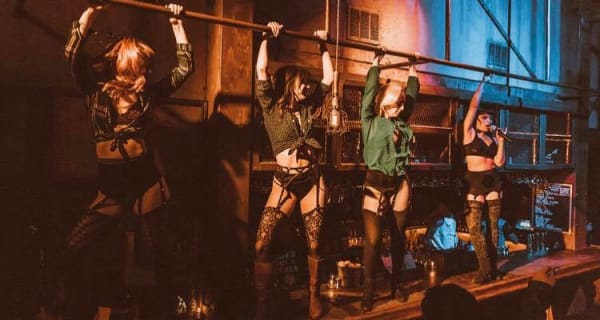
Harvard & Stone is a neighborhood bar on Hollywood Boulevard near Los Feliz that has built a genuine identity as one of the best free live music venues in Los Angeles. The room divides into a front bar with a stage area and a back dance floor, and programming runs any night of the week with no cover charge. The house band and burlesque dancers on weekends have become signature features, and local bands fill midweek slots in a rotation that rewards the neighborhood with consistent live entertainment. The interior has a polished but approachable aesthetic, mixing vintage Americana with dim lighting, good cocktails made with American spirits, and an art-forward sensibility without the pretension. The bar was named to various 'best bars in LA' lists and draws a creative-class Los Angeles audience that is young, curious, and genuinely interested in music rather than just the scene around it. All shows are free, which is a meaningful commitment for a venue programming live music seven nights a week. The combination of great cocktails, no cover, and consistent quality entertainment makes Harvard & Stone a rare thing in a city where free and good are rarely the same thing.

Hello Stranger
Hello Stranger is a bar, restaurant, and live music venue at 320 E. 2nd Street in Los Angeles's Little Tokyo neighborhood, founded and operated by Angela Romero, a Long Beach-born producer and event curator whose personal history with lowrider culture, Eastside oldies, and Los Angeles soul music is embedded in every detail of the space. The aesthetic pays direct homage to the Latino lowrider community of Los Angeles, but the room is built around a philosophy of radical welcome: Hello Stranger describes itself as Black Love, Brown Pride, and Japaneros all in one, and the crowd reflects that ambition every night the venue is open. Live music programming focuses on soul, R&B, oldies, and dance-oriented performers who can move a room, with DJs and live acts rotating through a schedule that runs primarily on Friday and Saturday nights. The cocktail program is built around music-inspired drinks with a sweetness and craft that matches the overall sensibility of the venue. Romero has described the goal as recreating the feeling of a Sunday afternoon listening to oldies with your crew: intimate, communal, dance-floor-forward. The venue also produces the Oishi Barrio pop-up event at the JACCC Plaza (244 San Pedro St, Little Tokyo) on rotating Sundays, a free outdoor food and music event that extends the Hello Stranger community into the neighborhood's public spaces. For Angelenos who grew up with the oldies and soul tradition of East LA and the broader city, Hello Stranger is one of very few venues that holds that tradition with the seriousness and joy it deserves. It is small enough to feel personal, ambitious enough to draw artists from across the soul and R&B spectrum, and rooted enough in its community to feel like a neighborhood institution.

Molly Malone's Irish Pub
Molly Malone's has been a fixture at 575 South Fairfax Avenue since 1969, which makes it one of the oldest continuously operating family-owned bars in Los Angeles. Flogging Molly got their start here. Joan Osborne, Lucinda Williams, Jeff Healey, Lenny Kravitz, and Michelle Shocked have all appeared on its stage. The walls are covered with portraits of local regulars painted by neighborhood artists over the decades, giving the room a genuinely personal character that no designer could replicate. The venue runs two separate spaces: the front bar, which is a classic Irish pub with dart boards, art on the walls, and a full selection of draft beers; and the back room, known as the Snug, which functions as the main stage venue. The Snug has excellent acoustics for a room its size, a proper backline, and sightlines that make it feel intimate regardless of where you stand. Shows typically run Thursday through Sunday nights, with no cover charge on most evenings. The musical identity of the room has evolved considerably from its roots in traditional Irish troubadour music. Today the focus is on original music from up-and-coming songwriters and bands, with a priority on rootsy, listenable material with strong vocals. Rock, folk, indie, and country are all welcome, but the venue steers away from hard rock and metal. It is a room where the music is expected to hold up on its own.

Redwood Bar & Grill
Known to most Angelenos simply as the Pirate Bar, the Redwood Bar & Grill at 316 West 2nd Street in Downtown Los Angeles is one of the most distinctive dive bars in the city, and one of the few venues in the historic core that has built a genuine reputation around live music rather than cocktails or scenery. The interior leans into a nautical theme with barrel-end tables, captain's tables, and maritime art covering the walls. It is dark, warm, and intentionally cave-like. The Redwood programs live bands every night of the week and has been doing so since its current incarnation opened in 2006. The genres skew toward rock, punk, rockabilly, and indie, with the kind of energy that fills a small room efficiently. On weekends, the venue pulls a crowd of rockabillies, punk regulars, and downtown residents who appreciate that the music is the point of the evening. The bar also holds the distinction of housing the karaoke scene from the indie film 500 Days of Summer, and the venue's history in the building stretches back much further through various incarnations that have included politicians, mafia associations, and film location shoots. The kitchen is open from 11 AM to 11 PM daily, serving fresh, scratch-made pub fare including burgers, sandwiches, and vegetarian options. The happy hour runs Monday through Friday from 4 to 7 PM. During dinner hours, the venue is open to all ages; after 10 PM with live music, the room becomes 21-plus.

Silverlake Lounge
Few bars in Los Angeles carry a history as layered as the Silverlake Lounge. Operating in some form since 1938 and settled into its current identity around 1975, this corner spot on Sunset Boulevard has been many things over the decades: a drag and gay cabaret stage, a safe harbor for the Eastside's Latinx queer community, and eventually the incubator for some of the most important indie rock of the early 2000s. Black Rebel Motorcycle Club played here regularly before being signed. Rilo Kiley, The Silversun Pickups, and The Airborne Toxic Event all have early chapters written in this room. The vibe is unapologetically dive, in the best sense. Dim lighting, a compact stage backed by red velvet, a friendly bar with fair prices, and sightlines that feel personal from almost anywhere in the room. At just over 150 capacity, it is the kind of place where you can be three feet from a band you are about to love. The intimacy is not manufactured; it is the natural product of a room that never had pretension as an option. Today the Silverlake Lounge continues to champion independent, emerging, and community-rooted artists. The calendar mixes indie rock, punk, shoegaze, singer-songwriters, urban acts, folk and country sets, drag cabaret, comedy, and DJ nights. It is explicitly an LGBTQ-plus safe space and destination, and the venue is vocal about its commitment to BIPOC and non-English-speaking artists. In a neighborhood increasingly shaped by commercial development, the Silverlake Lounge remains one of the last independently operated live music rooms on the Eastside that still books on its own terms.
The Echo
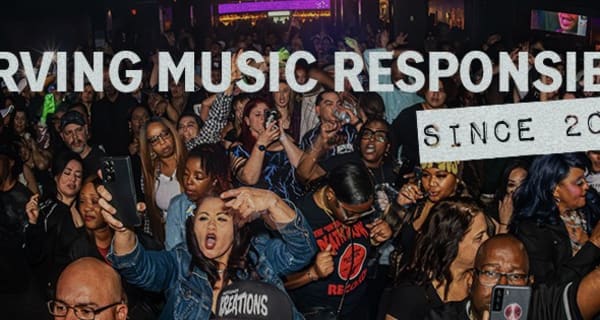
Opened in 2001 in a former Latin restaurant and club whose original name, Nayarit, is still stenciled on the building's Sunset Boulevard facade, The Echo has grown into one of the most respected mid-size independent venues in Los Angeles. Located in Echo Park, it anchors a two-venue complex with its downstairs sibling, the Echoplex, together holding more than 1,200 combined. The Echo itself sits at 350 capacity, a room that rewards both the casual fan and the devoted one. The stage is low and close, the sound system is precise without being clinical, and the room has an energy that emerges early in the evening and builds steadily. The bar is stocked and reasonably priced by Hollywood standards. Whether you are there for a sold-out headliner or an off-night residency, the production values and staff are reliably professional. The venue's booking history borders on legendary. Beck, Green Day, Nine Inch Nails, LCD Soundsystem, Kendrick Lamar, Lorde, HAIM, Run the Jewels, Skrillex, Incubus, The Rolling Stones, and Tove Lo have all performed here. Even more meaningfully, The Echo's long-running Monday Night Music residency series helped launch The Airborne Toxic Event, War Paint, Active Child, Hanni El Khatib, and Foster the People before any of them were household names. Filter Magazine has ranked it among the top five music venues in Los Angeles, and it is difficult to argue the point. The Echo programs across genres with genuine adventurousness, booking everything from indie rock and punk to hip-hop, experimental electronic, and noise. Age restrictions vary by show, ranging from all-ages to 21-plus, so checking the event listing before purchasing is essential.

The Hotel Cafe
The Hotel Cafe is Hollywood's most intimate and consistently excellent songwriter venue, a small room on Cahuenga Boulevard in the heart of Hollywood that has been presenting live music seven nights a week for 25 years and has launched more careers than most labels. The main stage holds 215 with seating for around 40, and the second stage is an even more intimate room of just 75 with seating for 25, making it possible on any given night to stand a few feet from an artist who will be selling out theaters within a year. Damien Rice, Katy Perry, Ingrid Michaelson, Sara Bareilles, and Ray LaMontagne all played the Hotel Cafe at pivotal moments in their careers, and the venue's reputation among serious music listeners is as high as anywhere in Los Angeles. The two stages run simultaneously on busy nights. Cover charges are modest, the room is focused, and the audience is there to listen. It is among the best places on the planet to catch a singer-songwriter.

The Mint
The Mint is one of the oldest continuously operating live music venues in Los Angeles, a Mid-City landmark on West Pico Boulevard that has been serving up live music since 1937 and carrying the weight of that history lightly enough to feel like a great neighborhood bar rather than a museum. Stevie Wonder, Ray Charles, Willie Dixon, Natalie Cole, Herbie Hancock, and Leo Nocentelli all played the Mint early in their careers. More recently, Ben Harper, Macy Gray, Bonnie Raitt, Jackson Browne, Billy Bob Thornton, and The Wallflowers have graced the stage. The room was acoustically engineered as a recording studio, which means the sound is exceptional by any measure, and the intimate scale, actual tables, booths, and bar stools give it the classic nightclub feel that most modern venues have never managed to achieve. Food is served throughout all shows, there is valet parking available most nights, and the calendar runs seven nights a week. The Mint programs rock, blues, country, folk, jazz, hip-hop, and singer-songwriters with an eclectic range that has defined the room for nearly 90 years.

The Smell
The Smell is the moral and spiritual center of Los Angeles's underground music scene. Founded in 1998 by Ara Shirinyan, Jarrett Silberman, and Jim Smith as one of the only all-ages, alcohol-free performance spaces in the city, it has operated continuously in downtown LA's Gallery Row ever since, surviving fire-code shutdowns, rising rents, and the repeated predictions of people who underestimate what a community can sustain when it is genuinely committed. The room is small, hot, poorly ventilated, and decorated with a rotating gallery of art from the community it serves. There is a vegan snack bar, a library, and a zine section. Shows are run entirely by volunteers. Admission is typically five to fifteen dollars. There is no alcohol, which is part of the point: The Smell is one of the only spaces in the city where a thirteen-year-old and a thirty-year-old can stand in the same room and share a formative musical experience without either of them being out of place. The musical identity of the room is proudly avant-garde: experimental, noise, punk, hardcore, lo-fi indie, and anything else that prioritizes creative risk over commercial appeal. No Age, Matt and Kim, Wavves, and Ty Segall all have early history here. The venue is not-for-profit and volunteer-run from top to bottom, which means every dollar that comes in goes back into keeping the space alive. For listeners who want music that is genuinely new, genuinely raw, and genuinely made by people who are not doing it for the money, there is no better room in Los Angeles.

Tommy's Place
Tommy's Place is the underground concert venue within the University of Southern California's Ronald Tutor Campus Center at 3607 Trousdale Parkway, accessible from the lower level of the campus center building. It opened in 2010 alongside the Tutor Campus Center itself and has operated as USC's primary student-facing live music and entertainment space ever since. All shows are free and the venue is open to the general public, not just USC students, which makes it a legitimate option for Los Angeles music fans who want to discover new acts without paying a cover. The programming runs throughout the academic year but closes during summer. Weekly recurring events include an open mic and jam session every Monday night from 8 to 11:30 PM, Tommy-Oke karaoke every other Thursday, and a Band Night on the last Friday of each month from 8 to 11 PM. The room accommodates 120 people on the performance floor, with an adjacent bar and grill called Traditions available for those over 21. There is a built-in stage, screen and projector, and basic production infrastructure managed by the Trojan Event Services team. For listeners, it is a rare opportunity to see emerging artists of all genres in a genuinely free and inclusive setting. For the venue's identity within the USC ecosystem, it functions as a creative hub and community gathering space that prioritizes student engagement while remaining accessible to the broader community.