Hip-Hop Venues in Los Angeles, CA
9 venues in Los Angeles, CA booking Hip-Hop.
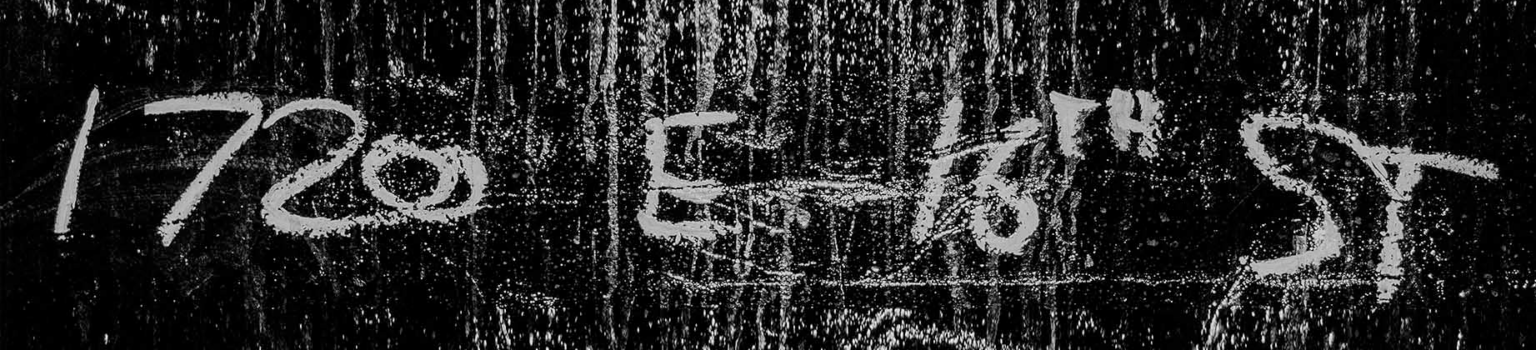
1720
1720 is a converted garment factory in the Warehouse District of Downtown Los Angeles, opened in 2017 by three musicians who were determined to build a venue from the inside of the music community rather than the outside. The result is one of the most versatile and production-serious mid-sized rooms in the city, capable of hosting everything from intimate underground electronic nights to national touring punk and metal acts. The raw industrial aesthetic, wood, steel, and concrete, sets the tone: this is a venue that takes music seriously without trying to look polished. Four bars, a kitchen, an outdoor smoker area with a rotating art wall, and a capacity of 700 give the room real flexibility. The programming is genuinely wide-ranging. Any given week might include an Afro-house DJ night, a punk bill, an indie rock headliner, and a drum and bass showcase. The quality of the production, sound and lighting, is consistently described as best-in-class for the price point and capacity. The location in the Fashion District is pre-gentrification in feel: grittier than Arts District, less tourist-facing than Hollywood. That raw quality is a feature rather than a drawback. For a music listener who wants to experience the pulse of Los Angeles underground and touring music culture in a setting that prioritizes the sound, 1720 is one of the essential rooms in the city.

Blue Note Los Angeles
Blue Note Los Angeles is the West Coast outpost of one of the most celebrated jazz club brands in the world, and it brings the same intentional, artist-led programming philosophy that has defined the New York original to a beautifully designed room on Sunset Boulevard in Hollywood. The space was designed by Legeard Studio and blends mid-century elegance with a modern sensibility, all warm wood, low lighting, and sight lines engineered so that there is no bad seat in the house. Two shows a night, seven nights a week, at 7 PM and 9:30 PM. The programming goes well beyond traditional jazz, encompassing soul, R&B, hip-hop, gospel, and genre-defying collaborations, but the through-line is always craft and artistic voice. Acts that have come through include Esperanza Spalding, Kamasi Washington, Wyclef Jean, Sheila E, and Charlie Puth, giving you a sense of the range on offer. The sound system is excellent, the intimacy of the 200-person main room means that even the back row feels close, and a secondary B-Side room with a 100-person capacity hosts additional programming. The kitchen, helmed with a focus on globally inspired flavors, serves dinner nightly, and the cocktail program takes its cues from jazz-era classics. Table seating is all-ages; bar area seating is 21 and over. If you are looking for a concert experience in Los Angeles that prioritizes music, craft, and atmosphere over scale and spectacle, Blue Note LA is among the finest rooms in the city.

Catch One
Catch One is one of Los Angeles's most historically significant nightlife destinations, a multi-room venue on West Pico Boulevard in Mid-City whose roots stretch back to 1973 when it opened as Jewel's Catch One, the first Black-owned gay disco in the United States. Founded by Jewel Thais-Williams, the club became a cultural sanctuary for the Black LGBTQ+ community through decades of challenge, including the AIDS epidemic, racism, and an arson attack. Its legacy of resilience and radical inclusion is woven into the physical space, making any night here more than just a night out. Today Catch One operates as a multi-purpose entertainment complex with five distinct rooms spanning up to 2,000-person capacity across the full venue. The rooms range from the iconic Jewel's Room and the Underground, both with capacity near 275 to 450 each, to the intimate Noise and Tavern and Circle Bar configurations. The production values are serious: Funktion-1 and EAW sound systems, intelligent lighting, projectors, multiple bars, outdoor smoking patios, and a full kitchen. Programming spans EDM, hip-hop, house, dance parties, live rock showcases, queer events, and themed nights, reflecting the eclectic musical palate the venue has always championed. The venue is open Thursday through Saturday evenings. Age requirements vary by event, so checking the event page before arrival is essential. Dress code is casual to dressy casual, and stylish attire is encouraged. For anyone who cares about the history of American nightlife and wants to celebrate in a space that fought hard to exist, Catch One is essential.
Echoplex
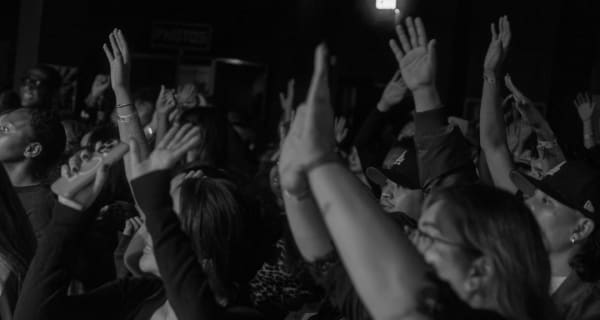
The Echoplex is the underground sibling of The Echo, accessed through an alley entrance at 1154 Glendale Boulevard in Echo Park, just below the main venue above it. Together the two spaces hold more than 1,200 people. The Echoplex alone runs around 660, making it a room that feels genuinely mid-size without losing the energy of a smaller venue. The low stage, wraparound sightlines, and punchy sound system put you close to the action from virtually anywhere on the floor. The venue opened in 2006 and established its identity quickly through adventurous, genre-spanning programming that has never settled into a single lane. The long-running Funky Sole residency, which ran for 14 years, became a touchstone for BIPOC DJs in the LA electronic scene. Dub Club, another long-running residency, built a devoted following around dub and reggae. On the live band side, the Echoplex has hosted Skrillex, LCD Soundsystem, HAIM, Kendrick Lamar, Run the Jewels, Built to Spill, Warpaint, HEALTH, and Four Tet, among countless others. The Rolling Stones played a surprise intimate show here during tour prep, an event that Rolling Stone covered as a landmark moment for the venue. Age restrictions vary by event and are posted per event listing. The venue is a Goldenvoice/Live Nation affiliate, which means booking flows through industry channels rather than open submission. For listeners, it is one of the most consistently exciting rooms in LA, particularly for electronic, indie rock, punk, and hip-hop acts that need a room big enough to deliver but intimate enough to deliver something memorable.

El Rey Theatre
The El Rey Theatre is one of the most beloved rooms in Los Angeles, a 771-capacity general admission venue in the Miracle Mile district on Wilshire Boulevard that has been a live music destination since 1994. Built in 1936 as a single-screen movie palace and designated a Los Angeles Historic-Cultural Monument, the El Rey's interior is a study in preserved Art Deco grandeur: deep red walls draped in velvet curtains, three sweeping chandeliers with custom LED pin-spot lighting, a grand ballroom floor surrounded by elevated side areas for premium viewing, and a VIP balcony lounge at the rear with private booths. It is the kind of room that makes you feel like the concert matters before a note has been played. The venue is exclusively programmed by Goldenvoice, the Coachella and Stagecoach promoter, which means the booking is handled at a national level and the programming reflects a curated, wide-ranging slate of rock, alternative, indie, hip-hop, pop, and emerging artists. General admission standing room is the default format, keeping the energy close and immediate in a room that is intimate by almost any standard but large enough to feel like a genuine concert. The stage, sound system, and lighting have all been updated while preserving the building's historic bones. All-ages admission is the norm unless a specific show is otherwise noted, though drinking at the bar is 21 and over with valid ID. There is self-parking available nearby at 5455 Wilshire Blvd for cash, and Metro Line 20 stops directly at the venue's cross street. For anyone tracking the live music calendar in Los Angeles, the El Rey is consistently one of the most reliable rooms for discovery-level artists who will be playing much larger stages within a year.

Silverlake Lounge
Few bars in Los Angeles carry a history as layered as the Silverlake Lounge. Operating in some form since 1938 and settled into its current identity around 1975, this corner spot on Sunset Boulevard has been many things over the decades: a drag and gay cabaret stage, a safe harbor for the Eastside's Latinx queer community, and eventually the incubator for some of the most important indie rock of the early 2000s. Black Rebel Motorcycle Club played here regularly before being signed. Rilo Kiley, The Silversun Pickups, and The Airborne Toxic Event all have early chapters written in this room. The vibe is unapologetically dive, in the best sense. Dim lighting, a compact stage backed by red velvet, a friendly bar with fair prices, and sightlines that feel personal from almost anywhere in the room. At just over 150 capacity, it is the kind of place where you can be three feet from a band you are about to love. The intimacy is not manufactured; it is the natural product of a room that never had pretension as an option. Today the Silverlake Lounge continues to champion independent, emerging, and community-rooted artists. The calendar mixes indie rock, punk, shoegaze, singer-songwriters, urban acts, folk and country sets, drag cabaret, comedy, and DJ nights. It is explicitly an LGBTQ-plus safe space and destination, and the venue is vocal about its commitment to BIPOC and non-English-speaking artists. In a neighborhood increasingly shaped by commercial development, the Silverlake Lounge remains one of the last independently operated live music rooms on the Eastside that still books on its own terms.
The Echo
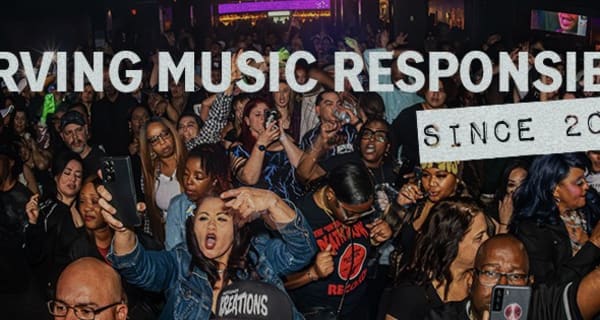
Opened in 2001 in a former Latin restaurant and club whose original name, Nayarit, is still stenciled on the building's Sunset Boulevard facade, The Echo has grown into one of the most respected mid-size independent venues in Los Angeles. Located in Echo Park, it anchors a two-venue complex with its downstairs sibling, the Echoplex, together holding more than 1,200 combined. The Echo itself sits at 350 capacity, a room that rewards both the casual fan and the devoted one. The stage is low and close, the sound system is precise without being clinical, and the room has an energy that emerges early in the evening and builds steadily. The bar is stocked and reasonably priced by Hollywood standards. Whether you are there for a sold-out headliner or an off-night residency, the production values and staff are reliably professional. The venue's booking history borders on legendary. Beck, Green Day, Nine Inch Nails, LCD Soundsystem, Kendrick Lamar, Lorde, HAIM, Run the Jewels, Skrillex, Incubus, The Rolling Stones, and Tove Lo have all performed here. Even more meaningfully, The Echo's long-running Monday Night Music residency series helped launch The Airborne Toxic Event, War Paint, Active Child, Hanni El Khatib, and Foster the People before any of them were household names. Filter Magazine has ranked it among the top five music venues in Los Angeles, and it is difficult to argue the point. The Echo programs across genres with genuine adventurousness, booking everything from indie rock and punk to hip-hop, experimental electronic, and noise. Age restrictions vary by show, ranging from all-ages to 21-plus, so checking the event listing before purchasing is essential.

The Mint
The Mint is one of the oldest continuously operating live music venues in Los Angeles, a Mid-City landmark on West Pico Boulevard that has been serving up live music since 1937 and carrying the weight of that history lightly enough to feel like a great neighborhood bar rather than a museum. Stevie Wonder, Ray Charles, Willie Dixon, Natalie Cole, Herbie Hancock, and Leo Nocentelli all played the Mint early in their careers. More recently, Ben Harper, Macy Gray, Bonnie Raitt, Jackson Browne, Billy Bob Thornton, and The Wallflowers have graced the stage. The room was acoustically engineered as a recording studio, which means the sound is exceptional by any measure, and the intimate scale, actual tables, booths, and bar stools give it the classic nightclub feel that most modern venues have never managed to achieve. Food is served throughout all shows, there is valet parking available most nights, and the calendar runs seven nights a week. The Mint programs rock, blues, country, folk, jazz, hip-hop, and singer-songwriters with an eclectic range that has defined the room for nearly 90 years.

Tommy's Place
Tommy's Place is the underground concert venue within the University of Southern California's Ronald Tutor Campus Center at 3607 Trousdale Parkway, accessible from the lower level of the campus center building. It opened in 2010 alongside the Tutor Campus Center itself and has operated as USC's primary student-facing live music and entertainment space ever since. All shows are free and the venue is open to the general public, not just USC students, which makes it a legitimate option for Los Angeles music fans who want to discover new acts without paying a cover. The programming runs throughout the academic year but closes during summer. Weekly recurring events include an open mic and jam session every Monday night from 8 to 11:30 PM, Tommy-Oke karaoke every other Thursday, and a Band Night on the last Friday of each month from 8 to 11 PM. The room accommodates 120 people on the performance floor, with an adjacent bar and grill called Traditions available for those over 21. There is a built-in stage, screen and projector, and basic production infrastructure managed by the Trojan Event Services team. For listeners, it is a rare opportunity to see emerging artists of all genres in a genuinely free and inclusive setting. For the venue's identity within the USC ecosystem, it functions as a creative hub and community gathering space that prioritizes student engagement while remaining accessible to the broader community.