Punk Venues in Los Angeles, CA
9 venues in Los Angeles, CA booking Punk.
1720
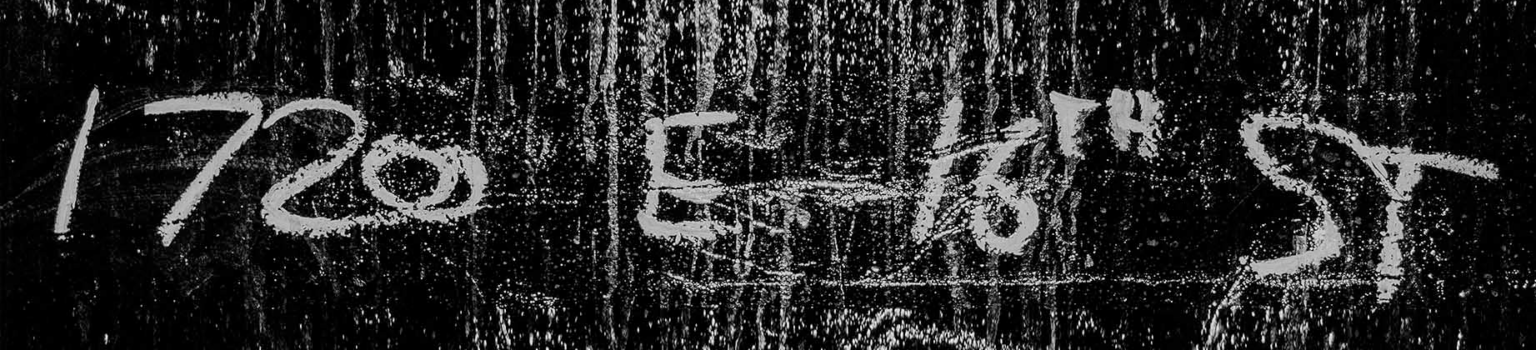
1720 is a converted garment factory in the Warehouse District of Downtown Los Angeles, opened in 2017 by three musicians who were determined to build a venue from the inside of the music community rather than the outside. The result is one of the most versatile and production-serious mid-sized rooms in the city, capable of hosting everything from intimate underground electronic nights to national touring punk and metal acts. The raw industrial aesthetic, wood, steel, and concrete, sets the tone: this is a venue that takes music seriously without trying to look polished. Four bars, a kitchen, an outdoor smoker area with a rotating art wall, and a capacity of 700 give the room real flexibility. The programming is genuinely wide-ranging. Any given week might include an Afro-house DJ night, a punk bill, an indie rock headliner, and a drum and bass showcase. The quality of the production, sound and lighting, is consistently described as best-in-class for the price point and capacity. The location in the Fashion District is pre-gentrification in feel: grittier than Arts District, less tourist-facing than Hollywood. That raw quality is a feature rather than a drawback. For a music listener who wants to experience the pulse of Los Angeles underground and touring music culture in a setting that prioritizes the sound, 1720 is one of the essential rooms in the city.

5 Star Bar
5 Star Bar is a DTLA institution in the truest sense: a double-decker bar and live music venue on South Main Street that makes no concessions to trendiness, gentrification, or anything other than cold beer and loud music. The building is small, the stage is tiny, the pool table is there, and the music is live every single night. Reviewers consistently use the word 'house party' to describe the feel, which is precisely the right reference. Located in the Historic Core neighborhood of Downtown Los Angeles, within walking distance of the Arts District, the bar attracts a loyal cross-section of DTLA locals, artists, and the kind of music fan who prefers to be three feet from the stage rather than watching from a balcony. The bar offers beer and limited spirits, and the kitchen supplies burgers. The taco stand outside rounds out the food options. The approach is stripped down by design. Programming leans toward punk, metal, indie, and alternative, though the bar explicitly welcomes diversity of genre. The Moth's StorySLAMs have been hosted here, suggesting an openness to programming beyond the obvious rock identity. For a music listener who wants an unmediated, no-frills night of live music in one of the most historically interesting neighborhoods in Los Angeles, 5 Star Bar delivers.
Canter's Kibitz Room
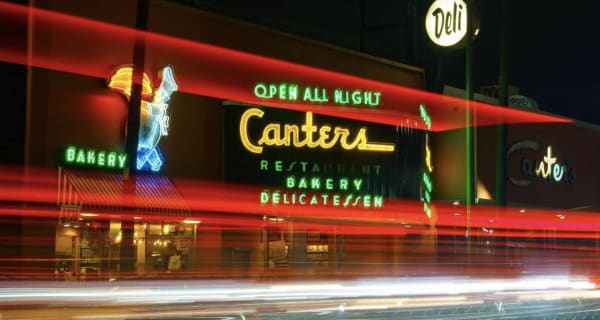
Canter's Kibitz Room is the hidden room inside one of Los Angeles' most legendary delis, a 1961 addition tucked off to the side of Canter's Deli on Fairfax Avenue that has been a refuge for musicians, night owls, and industry people for decades. The room is a genuine dive: dim lighting, a long bar, a small elevated stage angled awkwardly to the room, and the comforting knowledge that the full Canter's deli menu is available at almost any hour of the night. The history here is dense. In the 1960s, The Doors, The Byrds, Frank Zappa, and Arthur Lee were regulars at Canter's. By the 1990s, spontaneous jam sessions became a Tuesday night tradition, drawing members of Guns N' Roses, the Red Hot Chili Peppers, and Joni Mitchell. That spirit has never entirely left, and the Kibitz Room remains one of the few LA venues where a genuinely unpredictable night is still possible. Live music runs up to seven nights a week, with Fridays, Saturdays, and Sundays being the most active. Midnight tends to be when the room shifts toward open jams. The vibe is strongly rock and roll with punk and indie flavors, and the drinks are strong. Going through the bright deli to get to the dark bar is part of the experience.
Echoplex
The Echoplex is the underground sibling of The Echo, accessed through an alley entrance at 1154 Glendale Boulevard in Echo Park, just below the main venue above it. Together the two spaces hold more than 1,200 people. The Echoplex alone runs around 660, making it a room that feels genuinely mid-size without losing the energy of a smaller venue. The low stage, wraparound sightlines, and punchy sound system put you close to the action from virtually anywhere on the floor. The venue opened in 2006 and established its identity quickly through adventurous, genre-spanning programming that has never settled into a single lane. The long-running Funky Sole residency, which ran for 14 years, became a touchstone for BIPOC DJs in the LA electronic scene. Dub Club, another long-running residency, built a devoted following around dub and reggae. On the live band side, the Echoplex has hosted Skrillex, LCD Soundsystem, HAIM, Kendrick Lamar, Run the Jewels, Built to Spill, Warpaint, HEALTH, and Four Tet, among countless others. The Rolling Stones played a surprise intimate show here during tour prep, an event that Rolling Stone covered as a landmark moment for the venue. Age restrictions vary by event and are posted per event listing. The venue is a Goldenvoice/Live Nation affiliate, which means booking flows through industry channels rather than open submission. For listeners, it is one of the most consistently exciting rooms in LA, particularly for electronic, indie rock, punk, and hip-hop acts that need a room big enough to deliver but intimate enough to deliver something memorable.

First Street Pool & Billiard Parlor
First Street Pool & Billiard Parlor is one of the more honestly conceived live music venues in Los Angeles: a full-on pool hall and a concert stage sharing the same floor at 1906 E 1st Street in Boyle Heights, with cheap beer, open turntables on Wednesday nights, and a crowd that tends toward the rowdy and the real. Eight pool tables occupy one half of the space while the other half is arranged as a proper stage room with a pit for the crowd. The venue has built a strong reputation particularly in the punk and hardcore underground, hosting acts like Naked Aggression, Verbal Abuse, Dropdead, and Infest alongside local bands that represent the broader street punk and hardcore communities of East and Central LA. The atmosphere is aggressively unpretentious. Happy hour runs most days from open through close. Pool tables rent by the hour. The bar stocks twelve beers on tap and pours without ceremony. For a certain kind of music fan and musician, this is exactly the kind of room that keeps a scene alive: no-frills booking, no velvet rope, no pretense, and bands that play loud enough to feel it from the pool table. Open mic and DJ nights fill in the calendar around punk and metal shows, and the crowd tends to include off-duty mariachi players, Eastside regulars, and visiting touring bands who find the vibe immediately familiar. First Street runs Thursday through Monday starting at 3pm and stays open late on weekends. For anyone who wants to catch underground punk, hardcore, or metal in a room that still feels like 1985 in all the right ways, this is one of the most reliable spots remaining in Los Angeles for exactly that experience.

Redwood Bar & Grill
Known to most Angelenos simply as the Pirate Bar, the Redwood Bar & Grill at 316 West 2nd Street in Downtown Los Angeles is one of the most distinctive dive bars in the city, and one of the few venues in the historic core that has built a genuine reputation around live music rather than cocktails or scenery. The interior leans into a nautical theme with barrel-end tables, captain's tables, and maritime art covering the walls. It is dark, warm, and intentionally cave-like. The Redwood programs live bands every night of the week and has been doing so since its current incarnation opened in 2006. The genres skew toward rock, punk, rockabilly, and indie, with the kind of energy that fills a small room efficiently. On weekends, the venue pulls a crowd of rockabillies, punk regulars, and downtown residents who appreciate that the music is the point of the evening. The bar also holds the distinction of housing the karaoke scene from the indie film 500 Days of Summer, and the venue's history in the building stretches back much further through various incarnations that have included politicians, mafia associations, and film location shoots. The kitchen is open from 11 AM to 11 PM daily, serving fresh, scratch-made pub fare including burgers, sandwiches, and vegetarian options. The happy hour runs Monday through Friday from 4 to 7 PM. During dinner hours, the venue is open to all ages; after 10 PM with live music, the room becomes 21-plus.

Silverlake Lounge
Few bars in Los Angeles carry a history as layered as the Silverlake Lounge. Operating in some form since 1938 and settled into its current identity around 1975, this corner spot on Sunset Boulevard has been many things over the decades: a drag and gay cabaret stage, a safe harbor for the Eastside's Latinx queer community, and eventually the incubator for some of the most important indie rock of the early 2000s. Black Rebel Motorcycle Club played here regularly before being signed. Rilo Kiley, The Silversun Pickups, and The Airborne Toxic Event all have early chapters written in this room. The vibe is unapologetically dive, in the best sense. Dim lighting, a compact stage backed by red velvet, a friendly bar with fair prices, and sightlines that feel personal from almost anywhere in the room. At just over 150 capacity, it is the kind of place where you can be three feet from a band you are about to love. The intimacy is not manufactured; it is the natural product of a room that never had pretension as an option. Today the Silverlake Lounge continues to champion independent, emerging, and community-rooted artists. The calendar mixes indie rock, punk, shoegaze, singer-songwriters, urban acts, folk and country sets, drag cabaret, comedy, and DJ nights. It is explicitly an LGBTQ-plus safe space and destination, and the venue is vocal about its commitment to BIPOC and non-English-speaking artists. In a neighborhood increasingly shaped by commercial development, the Silverlake Lounge remains one of the last independently operated live music rooms on the Eastside that still books on its own terms.
The Echo
Opened in 2001 in a former Latin restaurant and club whose original name, Nayarit, is still stenciled on the building's Sunset Boulevard facade, The Echo has grown into one of the most respected mid-size independent venues in Los Angeles. Located in Echo Park, it anchors a two-venue complex with its downstairs sibling, the Echoplex, together holding more than 1,200 combined. The Echo itself sits at 350 capacity, a room that rewards both the casual fan and the devoted one. The stage is low and close, the sound system is precise without being clinical, and the room has an energy that emerges early in the evening and builds steadily. The bar is stocked and reasonably priced by Hollywood standards. Whether you are there for a sold-out headliner or an off-night residency, the production values and staff are reliably professional. The venue's booking history borders on legendary. Beck, Green Day, Nine Inch Nails, LCD Soundsystem, Kendrick Lamar, Lorde, HAIM, Run the Jewels, Skrillex, Incubus, The Rolling Stones, and Tove Lo have all performed here. Even more meaningfully, The Echo's long-running Monday Night Music residency series helped launch The Airborne Toxic Event, War Paint, Active Child, Hanni El Khatib, and Foster the People before any of them were household names. Filter Magazine has ranked it among the top five music venues in Los Angeles, and it is difficult to argue the point. The Echo programs across genres with genuine adventurousness, booking everything from indie rock and punk to hip-hop, experimental electronic, and noise. Age restrictions vary by show, ranging from all-ages to 21-plus, so checking the event listing before purchasing is essential.

The Smell
The Smell is the moral and spiritual center of Los Angeles's underground music scene. Founded in 1998 by Ara Shirinyan, Jarrett Silberman, and Jim Smith as one of the only all-ages, alcohol-free performance spaces in the city, it has operated continuously in downtown LA's Gallery Row ever since, surviving fire-code shutdowns, rising rents, and the repeated predictions of people who underestimate what a community can sustain when it is genuinely committed. The room is small, hot, poorly ventilated, and decorated with a rotating gallery of art from the community it serves. There is a vegan snack bar, a library, and a zine section. Shows are run entirely by volunteers. Admission is typically five to fifteen dollars. There is no alcohol, which is part of the point: The Smell is one of the only spaces in the city where a thirteen-year-old and a thirty-year-old can stand in the same room and share a formative musical experience without either of them being out of place. The musical identity of the room is proudly avant-garde: experimental, noise, punk, hardcore, lo-fi indie, and anything else that prioritizes creative risk over commercial appeal. No Age, Matt and Kim, Wavves, and Ty Segall all have early history here. The venue is not-for-profit and volunteer-run from top to bottom, which means every dollar that comes in goes back into keeping the space alive. For listeners who want music that is genuinely new, genuinely raw, and genuinely made by people who are not doing it for the money, there is no better room in Los Angeles.