Independent Venues in Los Angeles, CA
9 venues in Los Angeles, CA booking Independent.
1720
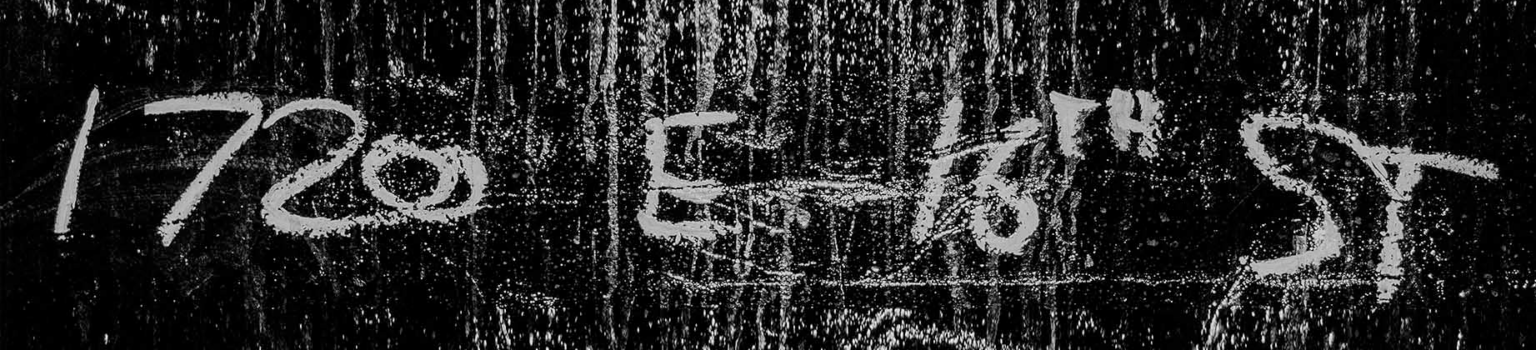
1720 is a converted garment factory in the Warehouse District of Downtown Los Angeles, opened in 2017 by three musicians who were determined to build a venue from the inside of the music community rather than the outside. The result is one of the most versatile and production-serious mid-sized rooms in the city, capable of hosting everything from intimate underground electronic nights to national touring punk and metal acts. The raw industrial aesthetic, wood, steel, and concrete, sets the tone: this is a venue that takes music seriously without trying to look polished. Four bars, a kitchen, an outdoor smoker area with a rotating art wall, and a capacity of 700 give the room real flexibility. The programming is genuinely wide-ranging. Any given week might include an Afro-house DJ night, a punk bill, an indie rock headliner, and a drum and bass showcase. The quality of the production, sound and lighting, is consistently described as best-in-class for the price point and capacity. The location in the Fashion District is pre-gentrification in feel: grittier than Arts District, less tourist-facing than Hollywood. That raw quality is a feature rather than a drawback. For a music listener who wants to experience the pulse of Los Angeles underground and touring music culture in a setting that prioritizes the sound, 1720 is one of the essential rooms in the city.

5 Star Bar
5 Star Bar is a DTLA institution in the truest sense: a double-decker bar and live music venue on South Main Street that makes no concessions to trendiness, gentrification, or anything other than cold beer and loud music. The building is small, the stage is tiny, the pool table is there, and the music is live every single night. Reviewers consistently use the word 'house party' to describe the feel, which is precisely the right reference. Located in the Historic Core neighborhood of Downtown Los Angeles, within walking distance of the Arts District, the bar attracts a loyal cross-section of DTLA locals, artists, and the kind of music fan who prefers to be three feet from the stage rather than watching from a balcony. The bar offers beer and limited spirits, and the kitchen supplies burgers. The taco stand outside rounds out the food options. The approach is stripped down by design. Programming leans toward punk, metal, indie, and alternative, though the bar explicitly welcomes diversity of genre. The Moth's StorySLAMs have been hosted here, suggesting an openness to programming beyond the obvious rock identity. For a music listener who wants an unmediated, no-frills night of live music in one of the most historically interesting neighborhoods in Los Angeles, 5 Star Bar delivers.

Baby Battista
Baby Battista is a basement bar and intimate venue tucked beneath Nico's bottle shop on Glendale Boulevard in Atwater Village, accessible through the back of the wine shop and down a flight of stairs. The room is styled in a 1970s-inspired lounge aesthetic with ruby-hued lighting, vintage decor, and a natural wine program that has earned recognition from Eater, The Infatuation, and the LA Times. The bar opens at 5 PM daily and events happen primarily on Friday and Saturday nights, with occasional weeknight shows. The programming is eclectic and community-oriented: live jazz, indie music, comedy, storytelling shows, DJ nights, and dance parties all share the calendar. The capacity is small, making every show genuinely intimate, and the venue maintains an explicit commitment to ADA accessibility and inclusive programming. Tickets are available at the door until sold out, and a waitlist forms on the spot when shows sell out online. The bar is accessible to the public for drinks whether or not a show is happening, which means it functions as a neighborhood wine bar as much as a performance venue. For a music listener who wants to discover emerging and mid-level acts in one of the most atmospheric small rooms in Northeast Los Angeles, Baby Battista offers the rare combination of excellent natural wine and genuinely good programming.
Canter's Kibitz Room
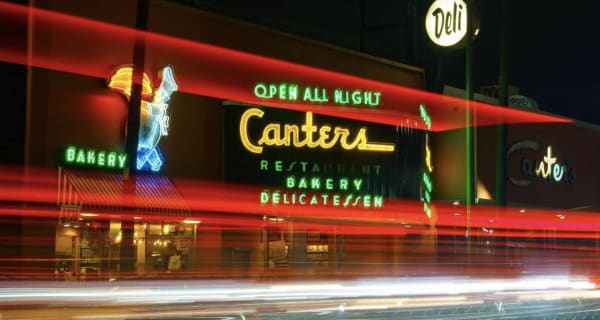
Canter's Kibitz Room is the hidden room inside one of Los Angeles' most legendary delis, a 1961 addition tucked off to the side of Canter's Deli on Fairfax Avenue that has been a refuge for musicians, night owls, and industry people for decades. The room is a genuine dive: dim lighting, a long bar, a small elevated stage angled awkwardly to the room, and the comforting knowledge that the full Canter's deli menu is available at almost any hour of the night. The history here is dense. In the 1960s, The Doors, The Byrds, Frank Zappa, and Arthur Lee were regulars at Canter's. By the 1990s, spontaneous jam sessions became a Tuesday night tradition, drawing members of Guns N' Roses, the Red Hot Chili Peppers, and Joni Mitchell. That spirit has never entirely left, and the Kibitz Room remains one of the few LA venues where a genuinely unpredictable night is still possible. Live music runs up to seven nights a week, with Fridays, Saturdays, and Sundays being the most active. Midnight tends to be when the room shifts toward open jams. The vibe is strongly rock and roll with punk and indie flavors, and the drinks are strong. Going through the bright deli to get to the dark bar is part of the experience.

El Rey Theatre
The El Rey Theatre is one of the most beloved rooms in Los Angeles, a 771-capacity general admission venue in the Miracle Mile district on Wilshire Boulevard that has been a live music destination since 1994. Built in 1936 as a single-screen movie palace and designated a Los Angeles Historic-Cultural Monument, the El Rey's interior is a study in preserved Art Deco grandeur: deep red walls draped in velvet curtains, three sweeping chandeliers with custom LED pin-spot lighting, a grand ballroom floor surrounded by elevated side areas for premium viewing, and a VIP balcony lounge at the rear with private booths. It is the kind of room that makes you feel like the concert matters before a note has been played. The venue is exclusively programmed by Goldenvoice, the Coachella and Stagecoach promoter, which means the booking is handled at a national level and the programming reflects a curated, wide-ranging slate of rock, alternative, indie, hip-hop, pop, and emerging artists. General admission standing room is the default format, keeping the energy close and immediate in a room that is intimate by almost any standard but large enough to feel like a genuine concert. The stage, sound system, and lighting have all been updated while preserving the building's historic bones. All-ages admission is the norm unless a specific show is otherwise noted, though drinking at the bar is 21 and over with valid ID. There is self-parking available nearby at 5455 Wilshire Blvd for cash, and Metro Line 20 stops directly at the venue's cross street. For anyone tracking the live music calendar in Los Angeles, the El Rey is consistently one of the most reliable rooms for discovery-level artists who will be playing much larger stages within a year.
Harvard & Stone
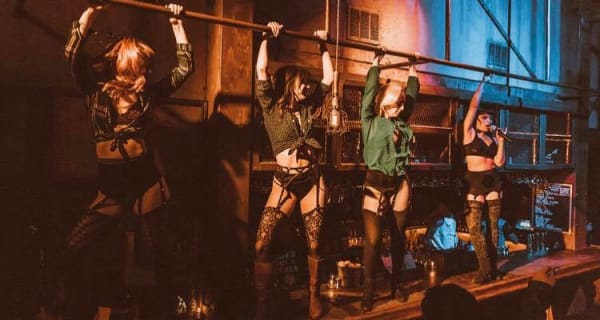
Harvard & Stone is a neighborhood bar on Hollywood Boulevard near Los Feliz that has built a genuine identity as one of the best free live music venues in Los Angeles. The room divides into a front bar with a stage area and a back dance floor, and programming runs any night of the week with no cover charge. The house band and burlesque dancers on weekends have become signature features, and local bands fill midweek slots in a rotation that rewards the neighborhood with consistent live entertainment. The interior has a polished but approachable aesthetic, mixing vintage Americana with dim lighting, good cocktails made with American spirits, and an art-forward sensibility without the pretension. The bar was named to various 'best bars in LA' lists and draws a creative-class Los Angeles audience that is young, curious, and genuinely interested in music rather than just the scene around it. All shows are free, which is a meaningful commitment for a venue programming live music seven nights a week. The combination of great cocktails, no cover, and consistent quality entertainment makes Harvard & Stone a rare thing in a city where free and good are rarely the same thing.

Molly Malone's Irish Pub
Molly Malone's has been a fixture at 575 South Fairfax Avenue since 1969, which makes it one of the oldest continuously operating family-owned bars in Los Angeles. Flogging Molly got their start here. Joan Osborne, Lucinda Williams, Jeff Healey, Lenny Kravitz, and Michelle Shocked have all appeared on its stage. The walls are covered with portraits of local regulars painted by neighborhood artists over the decades, giving the room a genuinely personal character that no designer could replicate. The venue runs two separate spaces: the front bar, which is a classic Irish pub with dart boards, art on the walls, and a full selection of draft beers; and the back room, known as the Snug, which functions as the main stage venue. The Snug has excellent acoustics for a room its size, a proper backline, and sightlines that make it feel intimate regardless of where you stand. Shows typically run Thursday through Sunday nights, with no cover charge on most evenings. The musical identity of the room has evolved considerably from its roots in traditional Irish troubadour music. Today the focus is on original music from up-and-coming songwriters and bands, with a priority on rootsy, listenable material with strong vocals. Rock, folk, indie, and country are all welcome, but the venue steers away from hard rock and metal. It is a room where the music is expected to hold up on its own.

Redwood Bar & Grill
Known to most Angelenos simply as the Pirate Bar, the Redwood Bar & Grill at 316 West 2nd Street in Downtown Los Angeles is one of the most distinctive dive bars in the city, and one of the few venues in the historic core that has built a genuine reputation around live music rather than cocktails or scenery. The interior leans into a nautical theme with barrel-end tables, captain's tables, and maritime art covering the walls. It is dark, warm, and intentionally cave-like. The Redwood programs live bands every night of the week and has been doing so since its current incarnation opened in 2006. The genres skew toward rock, punk, rockabilly, and indie, with the kind of energy that fills a small room efficiently. On weekends, the venue pulls a crowd of rockabillies, punk regulars, and downtown residents who appreciate that the music is the point of the evening. The bar also holds the distinction of housing the karaoke scene from the indie film 500 Days of Summer, and the venue's history in the building stretches back much further through various incarnations that have included politicians, mafia associations, and film location shoots. The kitchen is open from 11 AM to 11 PM daily, serving fresh, scratch-made pub fare including burgers, sandwiches, and vegetarian options. The happy hour runs Monday through Friday from 4 to 7 PM. During dinner hours, the venue is open to all ages; after 10 PM with live music, the room becomes 21-plus.

Tommy's Place
Tommy's Place is the underground concert venue within the University of Southern California's Ronald Tutor Campus Center at 3607 Trousdale Parkway, accessible from the lower level of the campus center building. It opened in 2010 alongside the Tutor Campus Center itself and has operated as USC's primary student-facing live music and entertainment space ever since. All shows are free and the venue is open to the general public, not just USC students, which makes it a legitimate option for Los Angeles music fans who want to discover new acts without paying a cover. The programming runs throughout the academic year but closes during summer. Weekly recurring events include an open mic and jam session every Monday night from 8 to 11:30 PM, Tommy-Oke karaoke every other Thursday, and a Band Night on the last Friday of each month from 8 to 11 PM. The room accommodates 120 people on the performance floor, with an adjacent bar and grill called Traditions available for those over 21. There is a built-in stage, screen and projector, and basic production infrastructure managed by the Trojan Event Services team. For listeners, it is a rare opportunity to see emerging artists of all genres in a genuinely free and inclusive setting. For the venue's identity within the USC ecosystem, it functions as a creative hub and community gathering space that prioritizes student engagement while remaining accessible to the broader community.