There's a Place Where I Can Go... In the Room
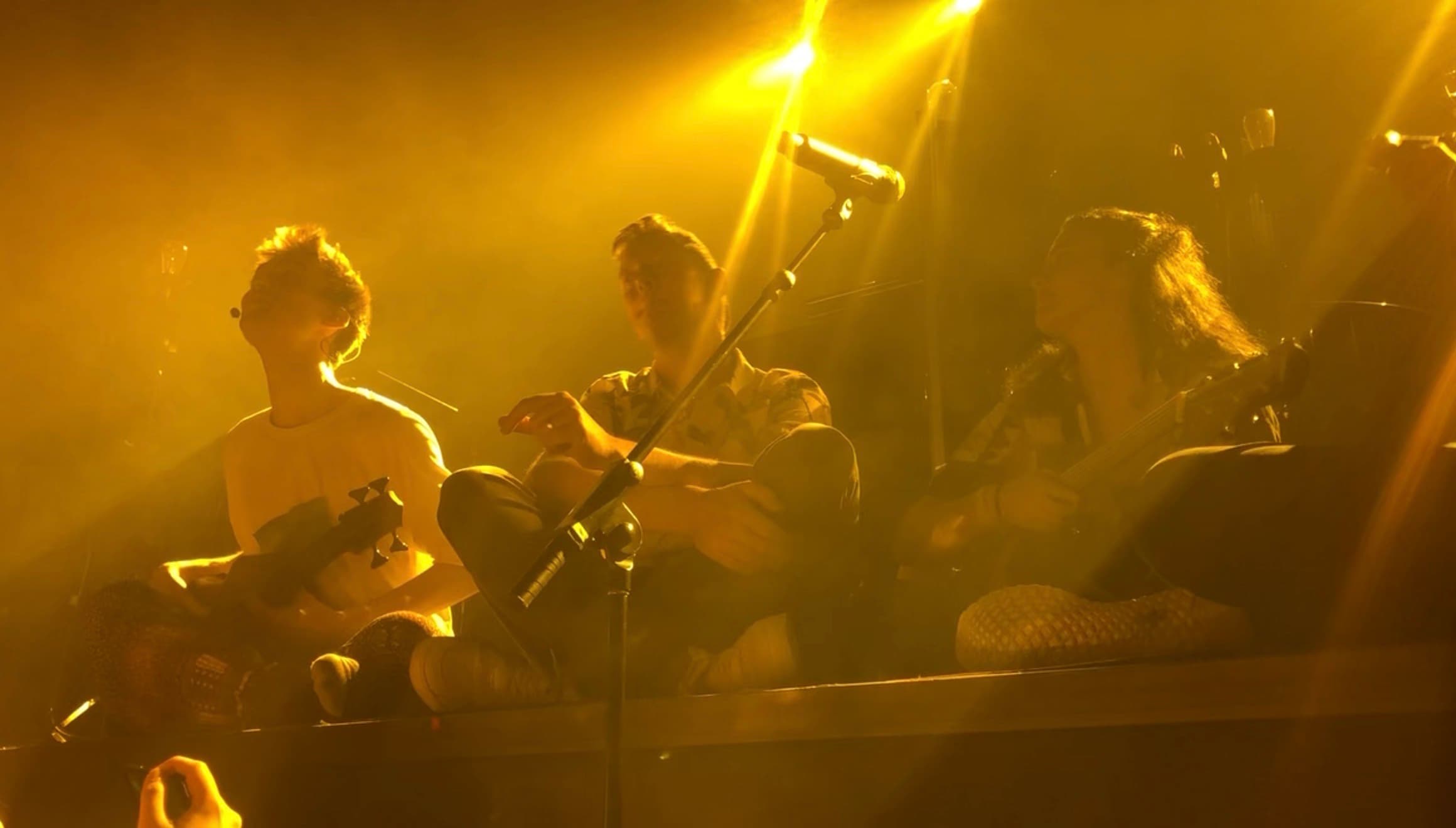
Before Jacob Collier filled arenas, he played a small venue in San Francisco. Jill Eyre was there, and years later the memory hasn't faded. "It was a beautiful experience," she says, "because the gift a musician can give to the audience member is helping them feel like they are the only one in the room, and that the artist must have thought of them when developing the set." When Collier played a cover of The Beach Boys' "In My Room," Jill remembers the room shrinking to almost nothing. "I felt like we were sitting in a living room together. Just a few of us." That's the whole case for small venue live music, in one memory. It helps the artist and the audience feel seen, heard, and valued.
What Gets Lost in a Big Room
A stadium show is a spectacle. It's lights and sound and scale, and there's a place for that. But something specific happens in a room that holds fifty or a hundred people that can't happen in a room that holds ten thousand. The artist can see faces. They can read the room and shift the set list in real time. They can look at someone in the third row and mean it.
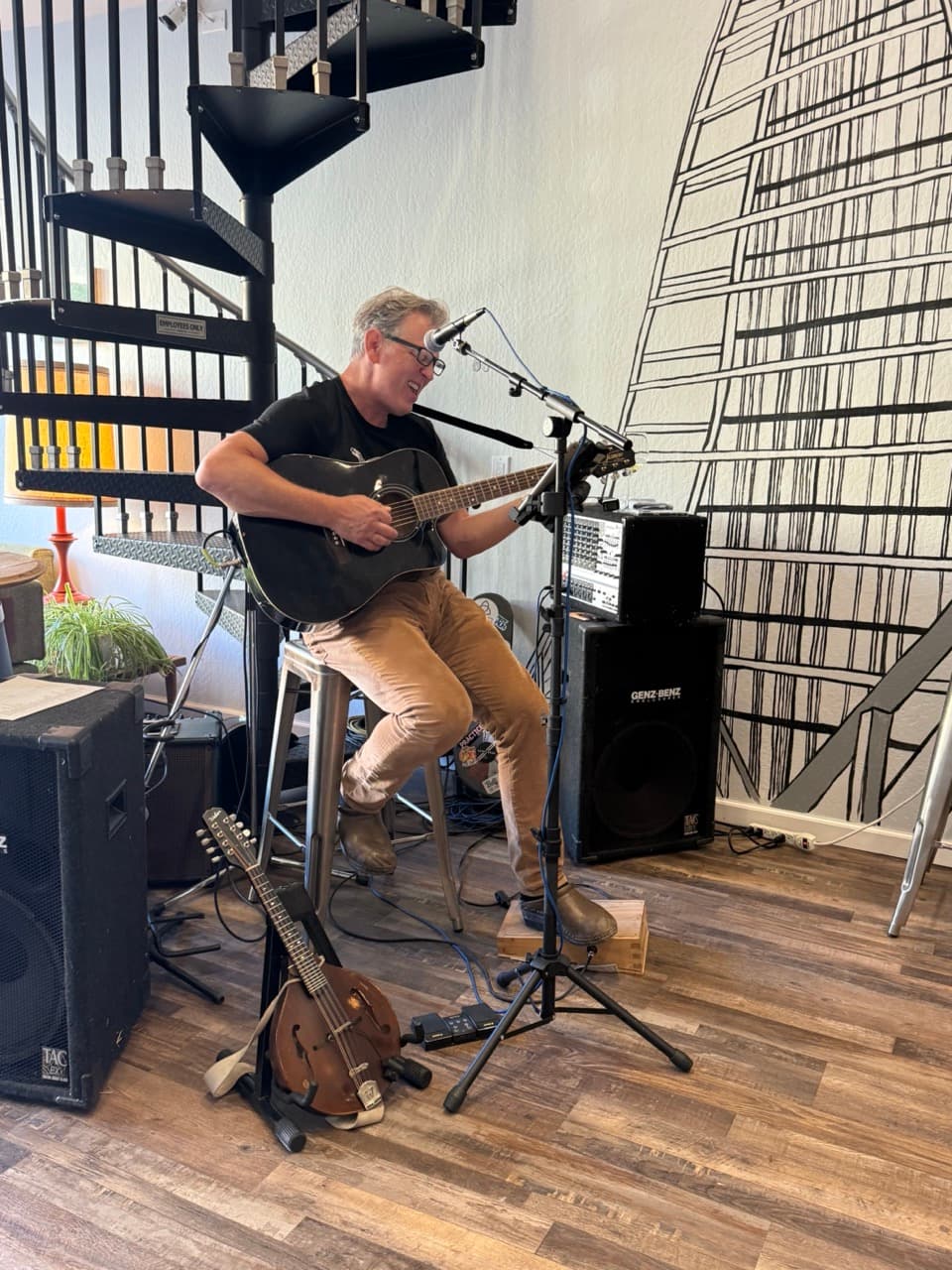
I saw this proven a different way at Sweetwater in Mill Valley, on a stormy night watching Lucas Nelson. The venue was sold out, maybe 250 people, and his band was tearing through the first twenty minutes of the show when the power went out completely. The only light left in the room was the emergency exit spotlight. Lucas didn't skip a beat. He grabbed a chair and his acoustic guitar and kept playing, just him, in the dark, and the room went silent. It felt the same way Jill describes, like sitting with an old friend in a living room. That acoustic set filled the room more completely than the full band and the PA system had, and it's still on my list of the five best live shows I've ever seen. When the technology disappears, what's left is just an artist and an audience, and sometimes that's the whole show.
The Artist's Side of the Room
Ask any working musician what they remember about a show and they rarely talk about the biggest crowd. They talk about the night someone came up afterward and said a specific song mattered to them, or the room where the sound was so tight they could hear their own breath between verses. Small venues give an artist room to experiment, to try a song they haven't played live yet, to talk to the crowd between songs instead of shouting over them. That kind of night builds something a big stage can't: a real relationship with an audience that will show up again.
If you're an artist reading this and thinking about where your next tour stop should be, getNgigs is built to help you find rooms like the ones Jill and I are describing, not just the biggest room available, but the right one. Create your artist profile and start connecting with venues that want what you do.
The Venue's Side of the Equation
I spent years running a venue myself, and I can tell you what that side of it actually looks like day to day. I'd get three or four pitches a day from artists and agents wanting a slot, and almost none of it came with the information I actually needed. Who is this person? Have they played rooms like mine before? Do they have a following that will actually walk through my door on a Tuesday night? Booking a small venue is a bet, and most of the time you're making that bet blind. A tour board where artists list where they're headed, and venues can see who's actually touring through their city, would have saved me hours a week and a lot of guesswork. That's the gap getNgigs is built to close.
If you book a room and you're tired of guessing, see how getNgigs works for venues and take a look at who's touring through your city next.
Why the Crowd Wins Too
Blaze Foley, the Americana songwriter who spent his career in rooms far smaller than he deserved, used to say, "Just remember, you don't always get what you go after, but you do get what you wouldn't have got if you hadn't gone after what you didn't get." That's the audience's experience of a small venue in a sentence.
Nobody walks in chasing a specific moment. You go for the music, and you leave with something you didn't know you were looking for, a story you'll tell for years, a night you didn't expect to remember this clearly. A small room means you can talk to the artist after the set. It means the person next to you might become a friend by the encore. It means you remember the night specifically, not generically. Jill's memory of that Jacob Collier show has lasted years, and it will probably outlast most of the arena shows she's been to since. That's not nostalgia. That's what happens when a room is small enough for something real to pass between the stage and the seats.
Building the Connection
None of this works without a way for artists and venues to actually find each other, which is the whole reason getNgigs exists. An artist touring through a city needs a venue that wants what they do. A venue booking a Thursday night needs an artist who can fill the room and give the crowd a night worth remembering. Getting those two things matched up shouldn't take a cold email and a hope that someone checks their inbox. It should be as simple as looking at who's on the road and who has a stage open.
The small venue isn't a stepping stone to something bigger. For a lot of the best nights in live music, it's the whole point. Join getNgigs and be part of building that connection, whether you're the one on stage or the one holding the door open for the next great night.